
Helping people make better decisions about natural hazards & risk
“Natural hazard information rarely gives you a simple answer. It gives you evidence, uncertainty and choices. Making sense of that is where the challenge begins.”
Services
How I can help
Often I hear the same concerns: Will people understand this? Will they trust it? Could it be misunderstood? Will it help people make better decisions or unintentionally do the opposite?
These questions matter because if natural hazard information is misunderstood, it can create confusion, unnecessary fear, undermine trust or lead to poor decisions.
I work with researchers, scientists, council experts, and emergency managers to bridge the gap between complex natural hazard information and the people who need to use it.
Every project is different, but my role is the same: connecting the science, the decision-making context and the people involved.
I work comfortably across disciplines - from researchers and engineers to elected members, policy teams and communities - to build shared understanding and help projects achieve better outcomes.
-
Natural hazard information is often complex, uncertain and highly technical.
I help translate technical information without oversimplifying it, so people understand what the information means and what they should do with it.
This can include:
Communication strategies
Knowledge translation
Plain-language technical writing
Reports and briefings
Digital communications products
-
Many natural hazard projects involve competing priorities, different disciplines and difficult conversations.
I help navigate complex decisions, build shared understanding and move decisions forward.
This can include:
Project management from scoping to final outputs
Workshop design and facilitation
Stakeholder engagement
Executive and governance presentations and briefings
-
Helping people make better decisions also means building their confidence to communicate and use hazard information.
I deliver presentations, workshops and training that make natural hazards, uncertainty and risk easier to understand, helping people build the confidence to communicate and use that information effectively.
This might include
Training
Speaking
Workshops
Experience
What I do
Over the past decade, I've worked alongside researchers, emergency managers, councils, infrastructure providers and government agencies across Aotearoa, New Zealand, helping to make hazard information something people can actually use.
That means I understand how natural hazard information is produced, how decisions are made, and the challenges of communicating uncertainty to different audiences. I connect the science, the decision-making context and the people involved so that complex information leads to better outcomes.
Who I’ve worked with
I’ve worked with councils, Civil Defence Emergency Management Groups, universities, researchers, infrastructure providers and government agencies across Aotearoa New Zealand.
These are some of the organisations I’ve supported to better understand, communicate and use information about natural hazards, disaster risk and climate change.

About
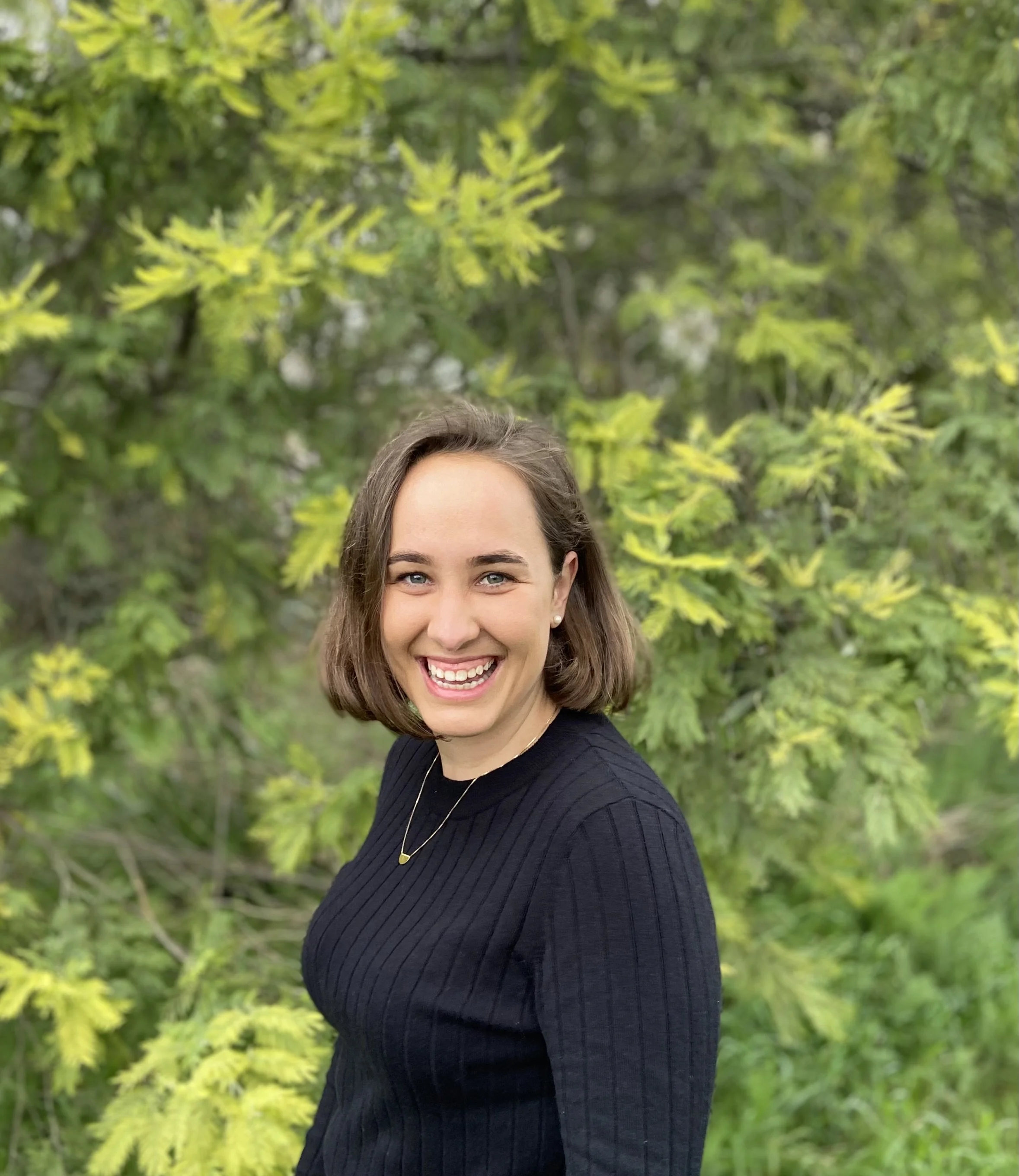
Kia ora, I’m Kate
I'm a natural hazards communicator, emergency manager, and engagement specialist who helps people understand complex information on natural hazards, disaster risk, and climate change so they can make better decisions.
While studying for my Master's, I learned something that has shaped my entire career: disasters aren't natural. They're the result of natural hazards colliding with the decisions we make. I also came to understand that the impacts of disasters can last for decades, reinforcing just how important those decisions are.
For more than a decade, I've worked alongside scientists, researchers, councils and emergency managers across Aotearoa, helping connect the science with the people who need to use it.
My work sits at the intersection of science, decision-making and people. I translate science, broker knowledge, communicate risk, navigate uncertainty, ask better questions and connect the dots between research, policy, practice and communities to build shared understanding and help move projects and decisions forward.
I believe good information doesn't automatically lead to good decisions. People need to understand what it means, why it matters and how it applies to the decisions they're making, and that’s what I help people, like you, do.
I'm passionate about reshaping how we talk about and tackle natural hazards and disasters. I care about plain English, evidence-based advice, practical solutions and building shared understanding. Because I believe when people understand their risks, they're far more likely to do something about them.
Forever an optimist,
- Kate
What people say about me:
Approach
How I work
Every project starts with understanding the decision. I take time to understand the challenge you're trying to solve, who needs to make decisions, what information they need and what might be getting in the way.
From there, I design an approach that fits your context, whether that's strategic advice, facilitation, stakeholder engagement, communication or decision support.
-
We'll talk about what you're trying to achieve, who you're trying to influence and where things are getting stuck.
I’ll ask questions like:
Who needs to use the information?
What decisions are you trying to support?
What's making this difficult?
Where are people getting stuck?
What does success look like?
-
Once we understand the challenge, I'll recommend the approach that best fits your situation. Whether that’s starting a project or reviewing what you’re already doing.
Every project is different, so I tailor my approach to your goals, your audience and your decision-making context. -
We’ll work together to turn complex information into something that's easier to understand without losing the important detail.
Along the way, we'll adapt and refine the approach based on stakeholder feedback, emerging insights and a growing understanding of what's needed.
-
We'll work together to deliver practical outcomes and evaluate whether they're making the difference we intended.
By reflecting on what's working and what could be improved, we can continue to strengthen decision-making over time.
Newsletter
How to stay up to date
Each week, I send out Illuminate Weekly, a curated summary and commentary on natural hazards, disaster, and climate change-related stories from the past week.
Want the full breakdown and my take? Join hundreds of professionals who are staying informed by signing up.
Once you're signed up and confirm your subscription, you’ll get the latest updates straight to your inbox every Friday.